


RC / Quad-Copters, Rc Accessories, RC Boat Accessories, RC Plane & Accessories, Related Accessories, Robotics, Robotics Accessories, Show All RC, Show All Robotics, Uncategorized, Washing Machine Parts
Acrylic Sheets 2-5mm Thingness 1×1′ Size
SKU: ACS4191
Availability:
In stock
Acrylic Sheets 2-5mm
Price range: රු990.00 through රු1,090.00
Acrylic Sheets 2-5mm Thingness 1×1′ Size
Most acrylic sheets come with a protective film on both sides. Always leave this film on during cutting to protect the surface from scratches.
Package content- containing 1,
size 12″x12″ (30.5 cmx30.5 cm)
thickness 2-5mm
Available in ten colors, such as red, orange, yellow, and apple green, dark green, sky blue, dark blue, rose red, white, black, etc. A variety of colors are available.
Essential Tools for Cutting Acrylic
Depending on your chosen method, you’ll need some combination of these tools:
Fine-toothed saw blade (60-80 teeth) or plastic-cutting blade
Straight edge or metal ruler
Plastic scoring tool or utility knife
Clamps
Masking tape
Safety gear (goggles, gloves, dust mask)
Sandpaper (various grits from 220 to 600)
Specialised acrylic polishing compound
Always prioritise safety when cutting acrylic. The material can chip unexpectedly, so eye protection is essential.
The Score and Snap Method: Best for Straight Cuts
For thin acrylic sheets (up to 3/16″ or 4.5mm thick), the score and snap method is the best way to cut acrylic when you need straight lines.
Using a Jigsaw: Best for Curved Cuts
When cutting curves or intricate shapes, a jigsaw fitted with a fine-toothed blade specifically designed for plastics is your best option.
Table Saw Method: Best for Precision
For perfectly straight cuts on thicker acrylic sheets, a table saw with a fine-toothed blade (60-80 teeth) provides the best results.
Steps
Mark your cutting line on the protective film
Apply masking tape along both sides of your cutting line to minimise chipping
Drill a starter hole inside your cutting area if making internal cuts
Set your jigsaw to a medium-high speed
Apply even pressure and move slowly along your marked line
Keep the sheet cool by occasionally pausing or using compressed air
Remember that cutting too quickly generates heat that can melt and deform the acrylic.
Tips to Prevent Cracking and Chipping
Always work with room-temperature acrylic
Keep the protective film on during cutting
Use new, sharp blades designed for plastic
Cut slowly to avoid heat buildup
Support the entire sheet during cutting
Apply masking tape along the cutting lines
Allow at least 1/8″ margin from the edge of the sheet
FAQ: Common Questions About Cutting Acrylic
Can I use a regular wood saw to cut acrylic?
While possible, regular wood saws often have teeth that are too coarse, increasing the risk of chipping. A fine-toothed blade designed for plastics is the best way to cut acrylic with a saw.
How do I cut thick acrylic sheets at home?
For thick acrylic (over 1/4″ or 6mm), a table saw or router is recommended. The score-and-snap method won’t work effectively on thick sheets.
Is cutting Perspex the same as cutting acrylic?
Yes, Perspex is simply a brand name for acrylic sheet. The same cutting techniques apply whether you’re cutting Perspex or any other brand of acrylic.
Why does my acrylic melt when cutting?
Excessive friction generates heat that melts acrylic. To prevent this, use sharp blades, cut slowly, and consider cooling the cutting area with compressed air.
4 Do-It-Yourself Ways to Cut Acrylic at Home
Cutting acrylic sheets can seem intimidating if you’ve never worked with this versatile material before. Whether you’re creating a custom display case, crafting decorative items, or installing a window replacement, knowing the best way to cut acrylic ensures clean edges and prevents costly mistakes. This guide will walk you through various methods for cutting acrylic sheets at home, helping you choose the right technique for your specific project.
Understanding Acrylic Before You Cut
Acrylic (sometimes called by the brand name Perspex or Plexiglass) is a shatter-resistant plastic that can be brittle when cut incorrectly. Unlike glass, acrylic melts at high temperatures, which means certain cutting methods can cause melting or create rough edges. Temperature is crucial – working with acrylic in very cold conditions makes it more prone to cracking.
| Choose Color | Black, Blue, Clear, Green, Orange, Red, White, Yellow |
|---|---|
| Thingness | 2mm |
Based on 0 reviews
Only logged in customers who have purchased this product may leave a review.
Related products
-
Uncategorized, LCD / LED TV Parts, Polarizer Film, Show All TV Parts
42” Polarized Film Sticker LCD/LED 42 inches *Front

-
Uncategorized, Cables / Clips / Connectors, Related Accessories
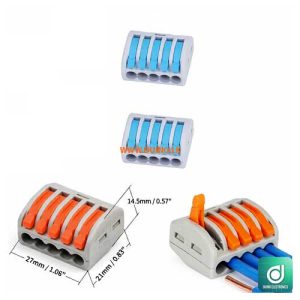
PCT-215 5Pole Spring Wire Connector Joint Quick Spring Connector
 Uncategorized, Cables / Clips / Connectors, Related Accessories
PCT-215 5Pole Spring Wire Connector Joint Quick Spring Connector
Fielect PCT-215 Spring Wire Connector Screw
SKU: ACS4548රු70.00Buy nowor 3 X රු23.33 withThis product has multiple variants. The options may be chosen on the product page

-
Uncategorized, Related Accessories, Show All Accessories, Switches/ Dimmers
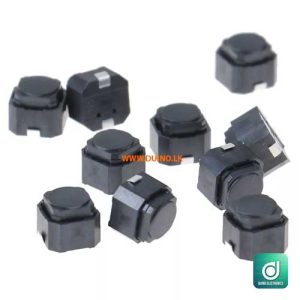
Silent Tact Switch 6*6*5mm Silicone Button Push Switch Touch

There are no reviews yet.